
Why Party Jollof Tastes Different
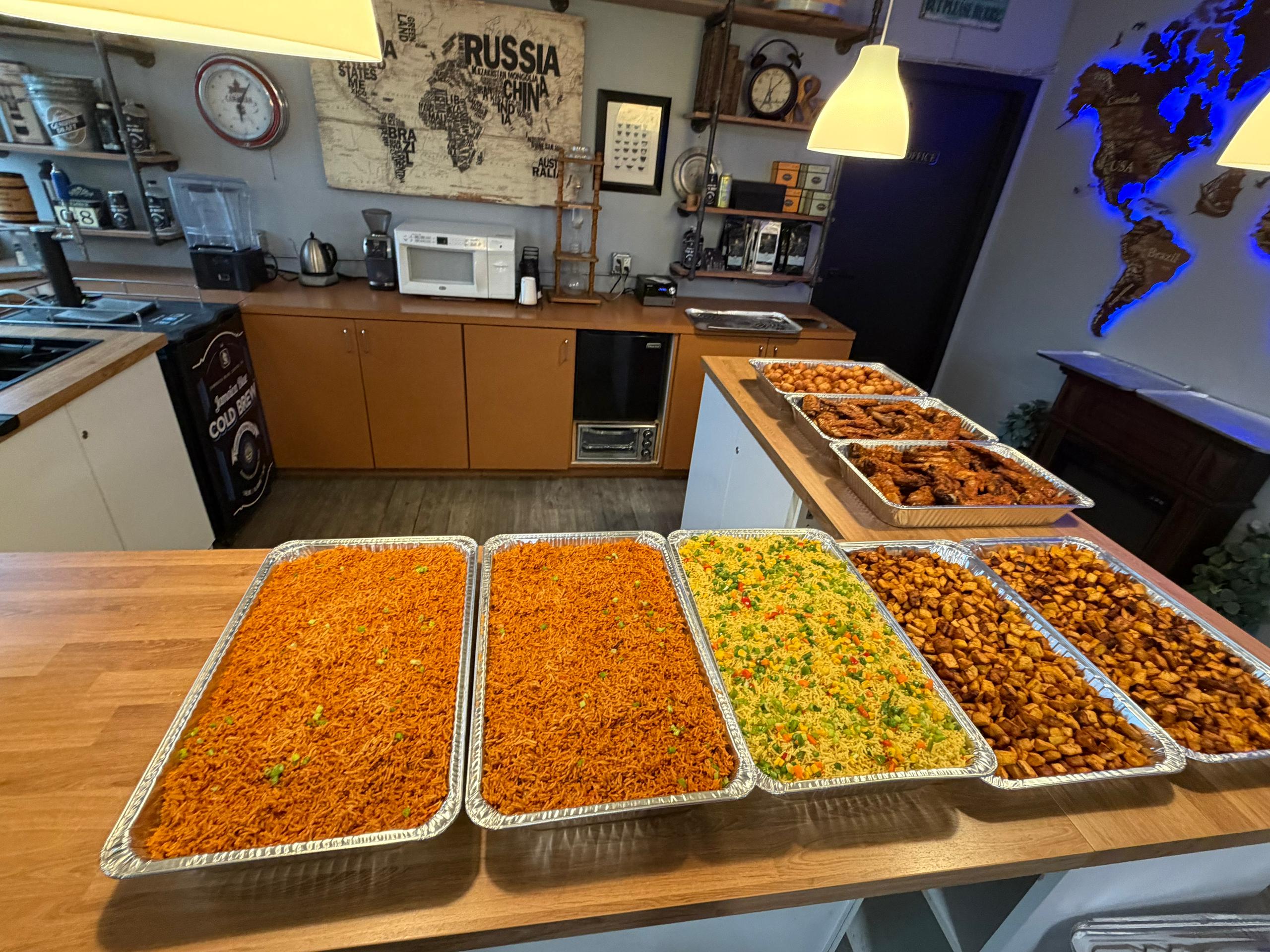
Ask any Nigerian what makes jollof party jollof and they'll tell you the same thing: smoke. Not the kind from a grill — the kind that rises off a big open pot, when the bottom layer of rice slowly chars against the base while the tomato-pepper stew bubbles above. That base layer has a name: bottom pot. In every Lagos, Abuja, or Port Harcourt party kitchen, the bottom pot is the first thing scraped out and shared between the aunties. At Aboki Grill, we cook every pot of jollof this way — slow, open, and smoky.
The Base Makes the Dish
Our jollof starts with a tomato base built from scratch: fresh Roma tomatoes, tatashe (red bell), rodo (scotch bonnet), onions, and a blend of spices our chef grew up smelling in her mother's kitchen. We blend, we reduce, we don't cut corners. The rice goes in last, absorbs the stew, and then we leave it alone — long enough for the bottom to crisp, short enough that the top stays fluffy.
"If your jollof doesn't have a bottom pot, it's just tomato rice." — Nigerian kitchen wisdom
What Makes Ours Different
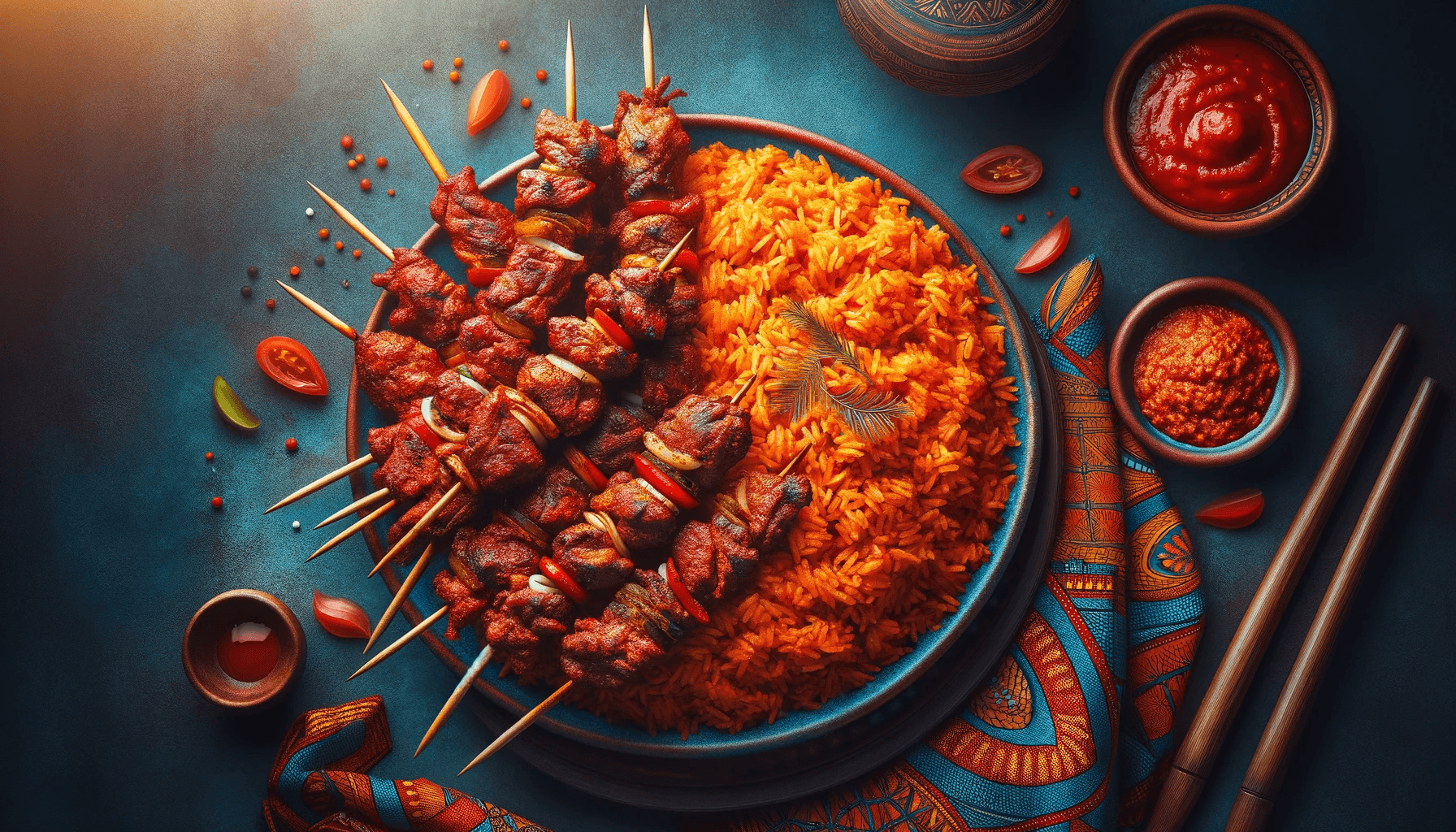
Most Vancouver restaurants use a fried base or shortcut the spice blend. We don't. Our jollof is made the way it's made at an owambe in Ikeja — loud, fragrant, and impossible to ignore. Pair it with oxtail, grilled chicken, or plantain and you'll understand why Nigerians travel across the city for a plate.


Order It the Right Way
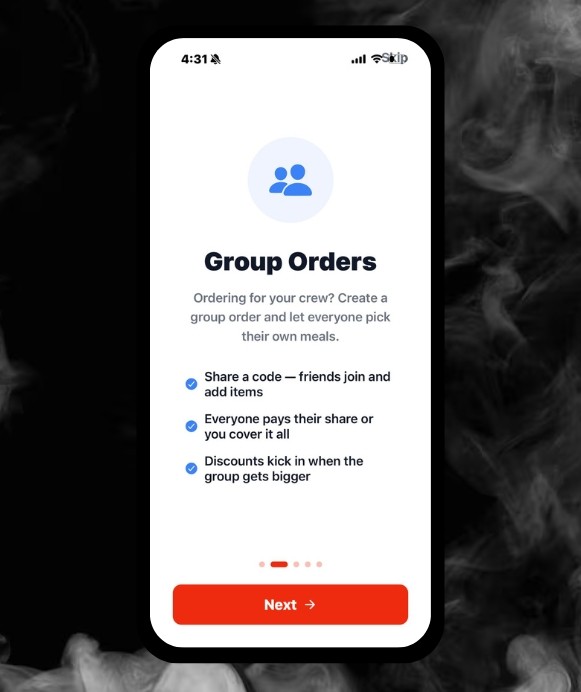
Order direct on the Aboki Grill app and ask for the bottom pot. We'll save you a piece. Party jollof is best eaten hot, within an hour of being cooked — so the smoke is still in the rice. That's why we only cook it to order.
Share: