The Ghost Kitchen Advantage
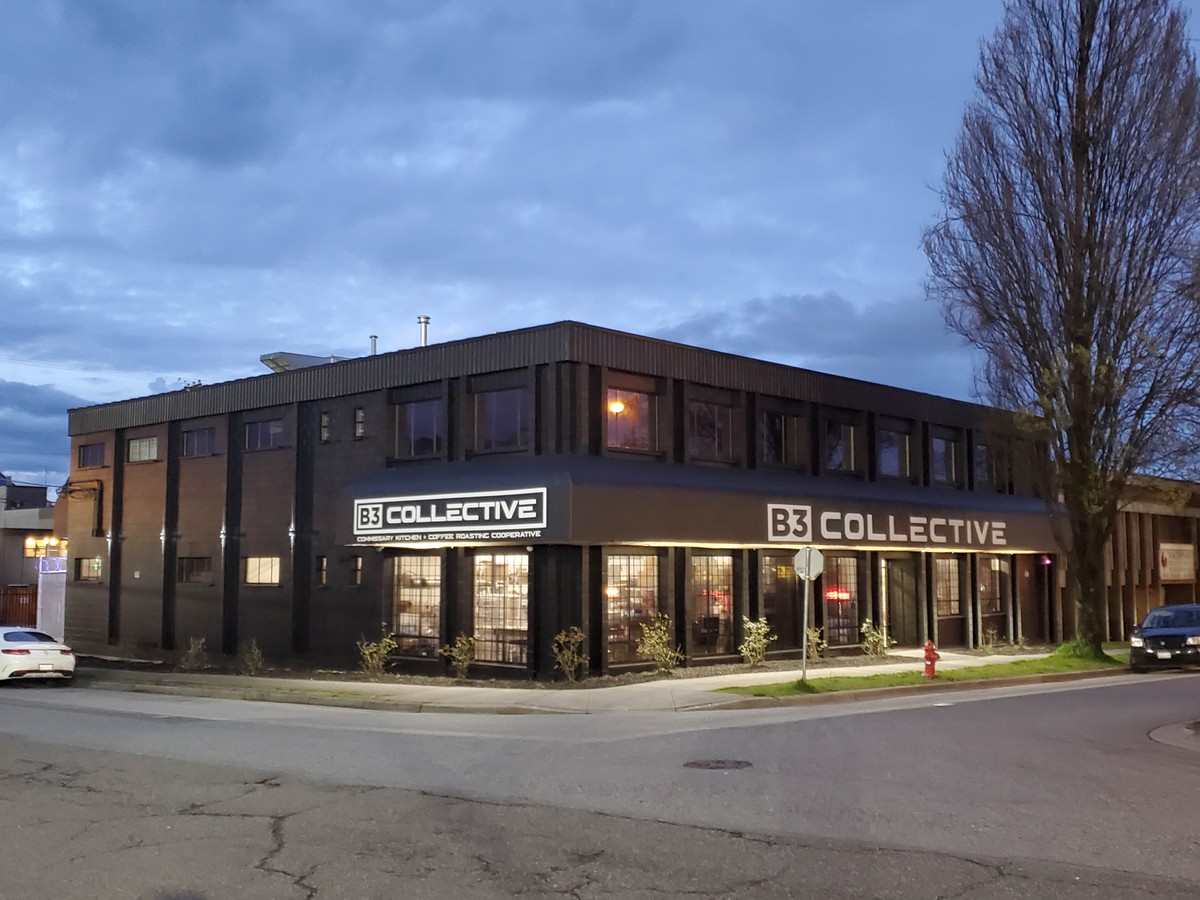
A traditional restaurant spends 30–40% of its revenue on the room — rent for the dining area, tables, chairs, bathrooms, front-of-house staff, decor, music licences. That cost is baked into every plate whether you notice it or not. A ghost kitchen spends all of that money on the food instead. That's why our jollof costs less than a downtown restaurant's and uses better ingredients.
Nigerian Food Is Built for This
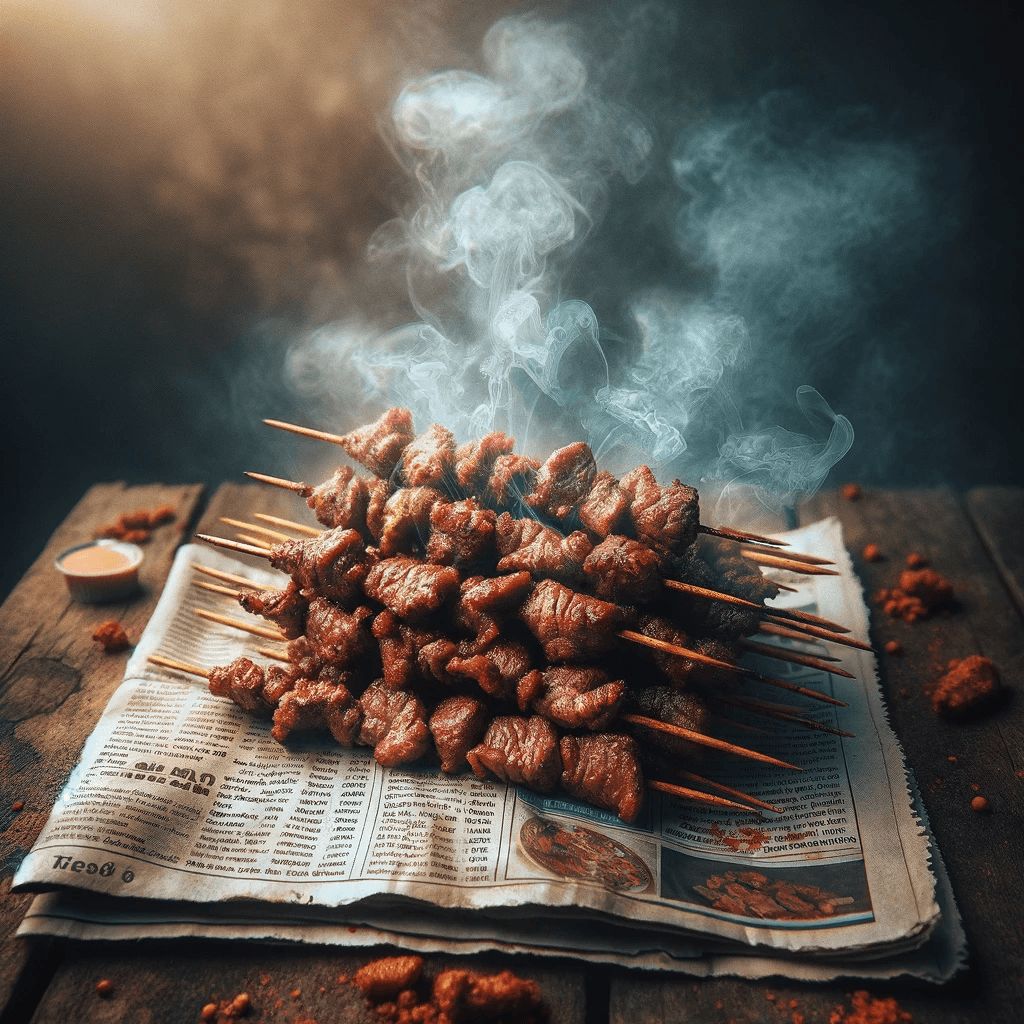
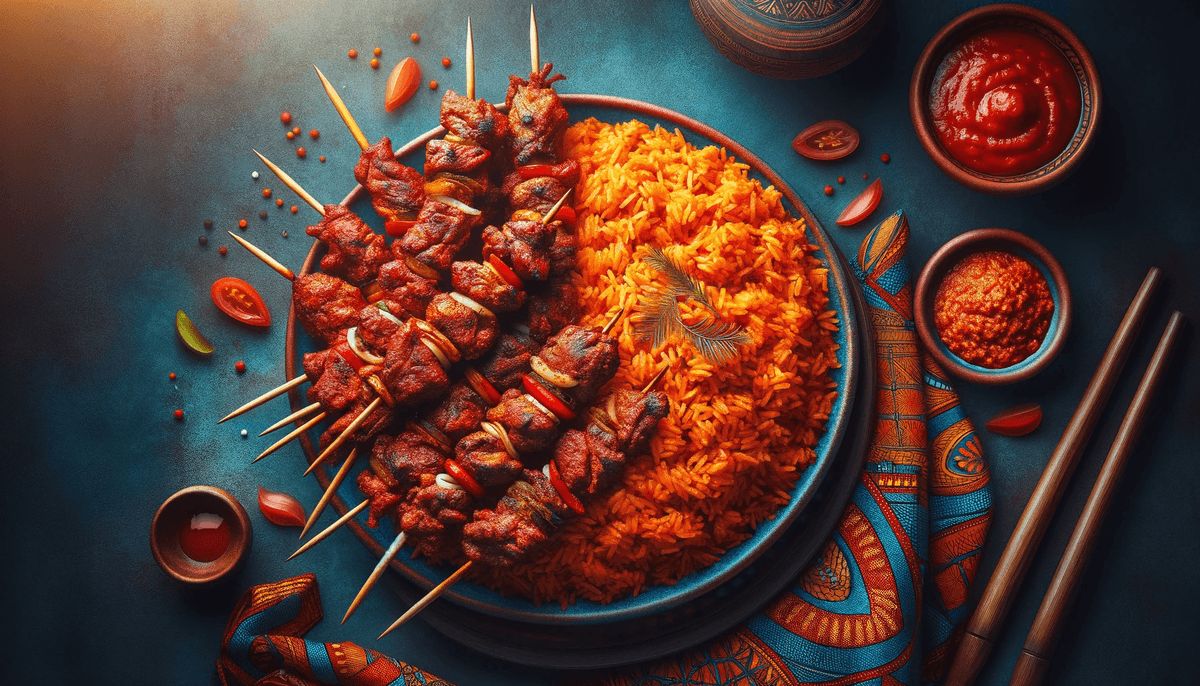
Nigerian food travels well. Jollof holds heat. Suya stays juicy wrapped in foil. Pepper soup actually tastes better after a 15-minute delivery ride because the spices bloom. Unlike sushi or a medium-rare steak, there's no Nigerian dish that suffers from a short transit. Ghost kitchen + Nigerian food is a perfect fit.
"Every dollar goes into the food, not the furniture."
What You Get Back
Lower prices — the money goes into the ingredients, not the room.
Bigger portions — we plate by weight, not by presentation.
Fresher food — we cook and grill to order, not in batches for a buffet.
Better ingredients — real groundnut yaji, real palm oil, real scotch bonnet. No substitutes.
The Tradeoff
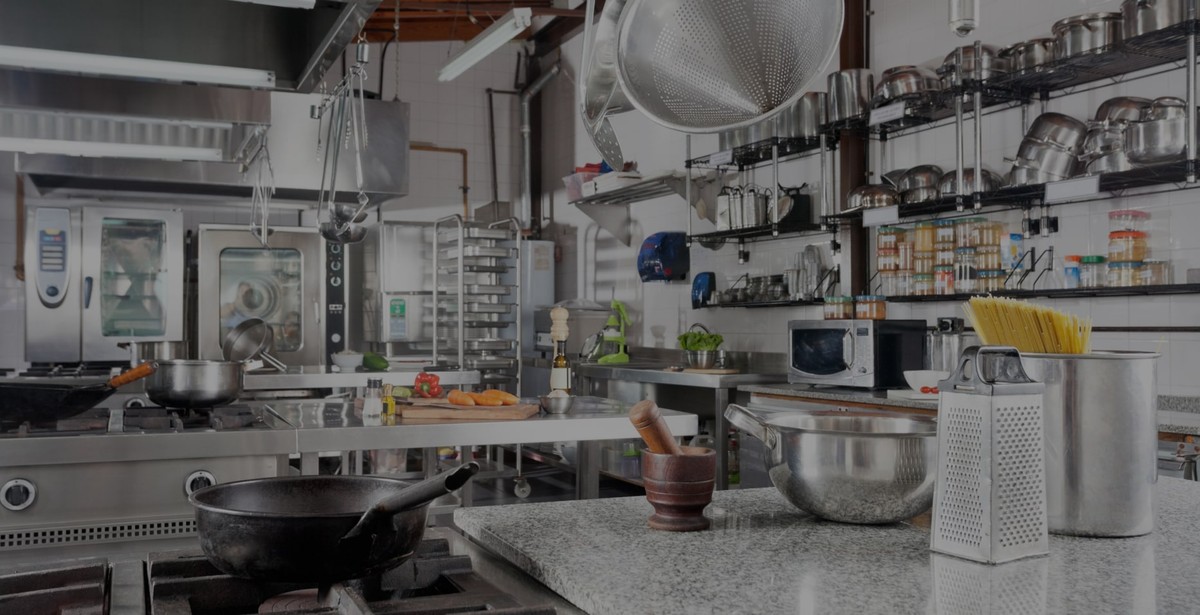
The tradeoff is real: no dine-in. If you want the vibe of a full-service restaurant, we're not that. If you want the food to be the point, we absolutely are.